
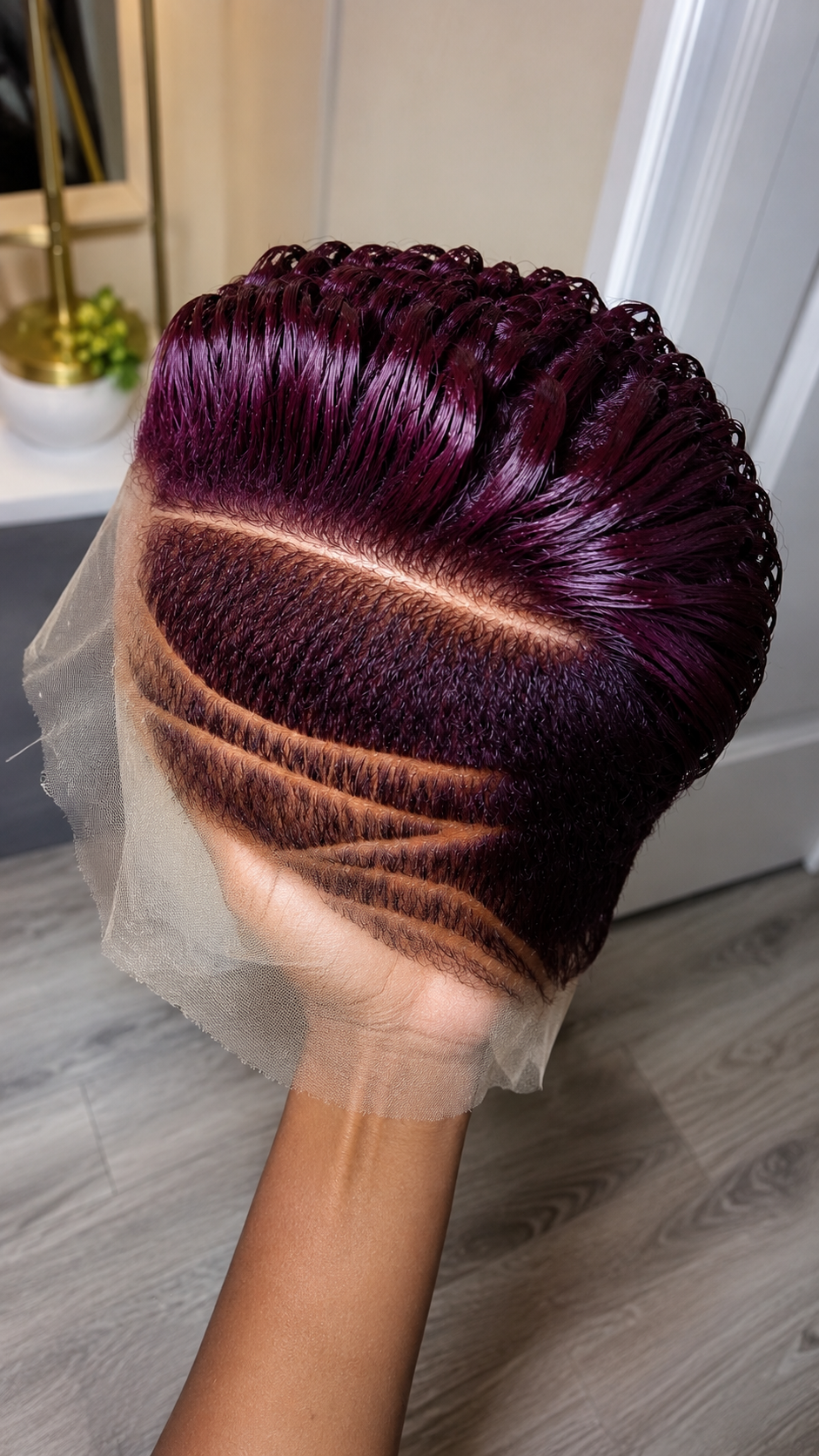
If you wear a single unit every day, it is wearing out far faster than it would if you owned two. That is the quiet math behind building a small rotation instead of hunting for one perfect wig. A unit worn every single day takes all the friction, all the washing, all the styling, and all the wear, so it ages quickly no matter how good it is. Own two or three and rotate them, and each one takes a fraction of that load, so each lasts far longer. Past your first unit, the smart move is not a single workhorse but a small wardrobe, because every unit you add makes the others last.
Rotation does more than spread wear. It gives each unit time to rest and recover its shape between wears, so the curls spring back and the cap relaxes rather than being crushed into daily duty. It lets you match the unit to the day, a comfortable everyday one for ordinary days, a statement one for events, a protective one while your hair rests. And it means a wash or a repair never leaves you without a unit, because there is always another ready. One unit doing everything is one unit wearing out at triple speed and leaving you stuck whenever it is out of action.
The cost feels higher because you are buying more than one, but the cost that matters is per wear across the rotation, and that is often lower. Three units rotated over years can cost less per wear than one unit worn daily and replaced twice as often, because each lasts longer and does the right job. So think in terms of a wig wardrobe, not a single wig, and build it over time.
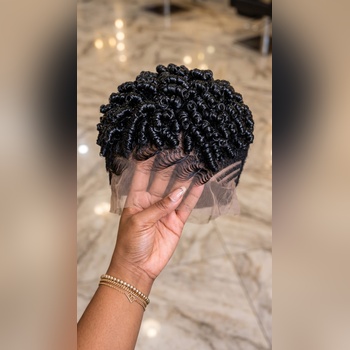
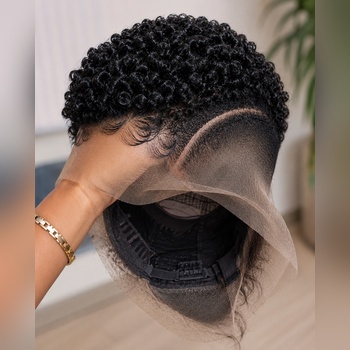
Where To Buy A Pixie Wig To Start Or Grow A Rotation
Custom makers are worth building a relationship with if you plan to own several units, since a maker who knows your head and preferences makes each new addition easier. Ask about repeat-order terms and consistency between units. A maker you return to becomes the backbone of a rotation.
Instagram and TikTok sellers are good for adding range to a wardrobe, a bold colour here, a different texture there, without committing to one source. For a rotation, variety of sellers can mean variety of looks, so long as each unit is judged on its own merits.
Etsy works for adding characterful units to a collection, with makers who offer distinct styles. The risk is impulse-buying similar units that duplicate what you have. Read reviews and buy to fill a gap in your rotation, not to repeat it.
Marketplaces like Amazon, AliExpress, and Temu are where a rotation gets affordable, since cheaper units make sense for the everyday or heavy-wear slots that take the most abuse. Put the wear on units you can replace cheaply and save your best unit for when it counts. Judge each on quality for its role.
Local beauty supply shops and salons let you build a rotation with guidance, choosing units that cover different needs. You pay a premium in-store, but a stylist can help you pick a wardrobe that works together rather than three of the same.
Vendors and wholesalers direct make sense once you know you want several units, since buying more than one can lower the per-unit cost. For a committed rotation, a bulk approach can be economical.
Regionally, the units to build a rotation come strongly out of Lagos, Accra, Atlanta, London, and across South Africa, where a wardrobe of short units is common and easy to source on video.
Vet the seller the usual way for each unit: check the account age, look for real buyer photos, time a plain question for a genuine reply, and judge each addition on its own quality. A rotation is only as good as its units, so vet every one, not just the first.
Red flags: buying duplicates of what you already own, over-spending on every slot when some take heavy wear, and neglecting to store a growing rotation properly.
When you order, send your measurements and think about which slot the unit fills, everyday, statement, or protective, so each addition earns its place. That keeps a rotation purposeful rather than a pile of similar wigs.
On payment, thirty to fifty percent down with the balance before shipping is standard for custom work. Use a method you can dispute, and build the rotation over time rather than all at once, so each unit is a considered addition.
How Much It Costs
The instinct is that owning several units costs more, and up front it does, but the cost that matters is per wear across the rotation, and there the math often favours owning more than one.
Human hair units for a rotation, glueless with bleached knots and fine lace, run roughly $150 to $430 each depending on build, with a colour like this auburn adding around $55 to $115 over black. Good synthetic units for the heavy-wear or statement slots run $60 to $150. A sensible rotation might pair one better everyday human unit with one or two cheaper synthetic or mid units for range and rough days.
The per-wear logic is the point. One human unit worn daily might last a year and cost its full price over that year of wear. The same unit worn every third day in a rotation of three could last close to three years, so its cost spreads far thinner, and the other two units cost little extra per wear because they share the load. Rotation turns a higher upfront spend into a lower long-run cost, while also giving you range and a backup. Buy the everyday unit first, then add as budget allows.
Shipping and any customs charge sit outside the price and change with where you live, so plan a realistic band and confirm your own country’s import rate rather than trusting a single quoted figure.
Then the ongoing costs, which a rotation actually reduces per unit. Each unit is washed and restyled less often because it is worn less often, so products and wear-related upkeep stretch further. You do need storage for several units, a wig head each or a shelf, which is a small one-off. First-year math, honestly: building a two or three unit rotation costs more in year one than a single unit, but over two or three years it tends to cost less per wear and leaves you never without a unit.
Per wear, a rotation is the better value for anyone who wears a unit most days, because it spreads wear, extends life, and covers more needs. A single unit worn daily is the most expensive way to wear wigs over time, even though it looks cheapest at purchase.
Deposits follow the custom pattern: thirty to fifty percent to start, balance before shipping, and each unit judged on its own before the last payment clears.
Shipping, Delivery, And What To Expect After Ordering
Building a rotation means units arriving at different times, so treat each one as its own delivery to inspect and set up. Ask that each ship protected, choose a tracked service for custom work, and confirm your country’s import charge before each lands. When a new unit arrives, give it its own storage head and rotate it in gradually, so the newest joins the others rather than taking over. What you unbox is one more unit in a wardrobe, and the value comes from how the units share the wear, so set each up to last.
Rotation Spreads The Wear That Ages A Unit
The reason a rotation extends life is simple: wear is cumulative, so a unit worn a third as often ages roughly a third as fast. Friction, washing, styling, and daily handling are what wear a unit out, and sharing them across several units means none takes the full load. This is why people who rotate find their units last for years while those who wear one daily replace it often. Spreading the wear is the whole mechanism, and it works quietly in your favour every day you swap units.
A Wardrobe Matches The Unit To The Day
Beyond lifespan, a rotation lets each unit do what it is best at. A comfortable everyday unit for ordinary days, a statement piece for events, a protective set while your hair rests, each worn when it suits rather than one unit compromising across all of them. This is more flexible and more flattering than forcing a single wig to be everything, and it is only possible when you own more than one. Build the wardrobe to cover your real life, not to duplicate a single look.
Build It Over Time, Everyday First
A rotation does not need buying all at once. Start with one versatile everyday unit that covers most days, wear it while you save, then add a second for range or rough-day duty, and a third if your life calls for it. Building gradually spreads the cost and lets each addition fill a real gap rather than repeat what you have. The first unit is the foundation; each one after is chosen to work with it, not to replace it.
Before You Pay
- Am I relying on one unit for daily wear, aging it at triple speed?
- What slot does this unit fill, everyday, statement, or protective?
- Would a rotation cost less per wear over the next few years than one worn daily?
- Do I have storage for each unit so a rotation keeps its shape?
- Am I adding range to my wardrobe, or duplicating what I already own?
Trimming The Lace
The lace comes off the front the usual way on each unit you add, and building a rotation means you get better at the cut with each one. Trim in small offset steps and leave a shallow margin rather than cutting flush, working in daylight where the auburn reads true. If this is your first unit, let a stylist make the first pass and learn from it, since the skill carries to every future unit in your rotation, and a wardrobe is easier to maintain when you can finish each hairline yourself.
Search Terms
auburn pixie wig · copper curly pixie wig · short pixie wig rotation · everyday pixie unit · pixie wig collection · glueless short curl wig · protective pixie wig · statement short curly wig
Final Thoughts
This unit is a fine one, but the deeper lesson is about how you own units, not which one you buy. A single wig worn every day takes all the wear and ages fast, while a small rotation spreads that wear so each unit lasts far longer, rests between wears, and does the job it is best at. The upfront cost is higher, but the cost per wear across a rotation is often lower, and you are never left without a unit.
Buy this as part of a wardrobe, not as the one wig to do everything. Start with a versatile everyday unit, add a statement or protective piece as budget allows, and rotate them so each one lasts. Store them properly, match each to the day, and let them share the load. A rotation of good units, built over time, is cheaper per wear, longer-lasting, and more flexible than any single wig worn into the ground. The unit in the photo is one piece of the answer. Owning more than one is the rest of it.