
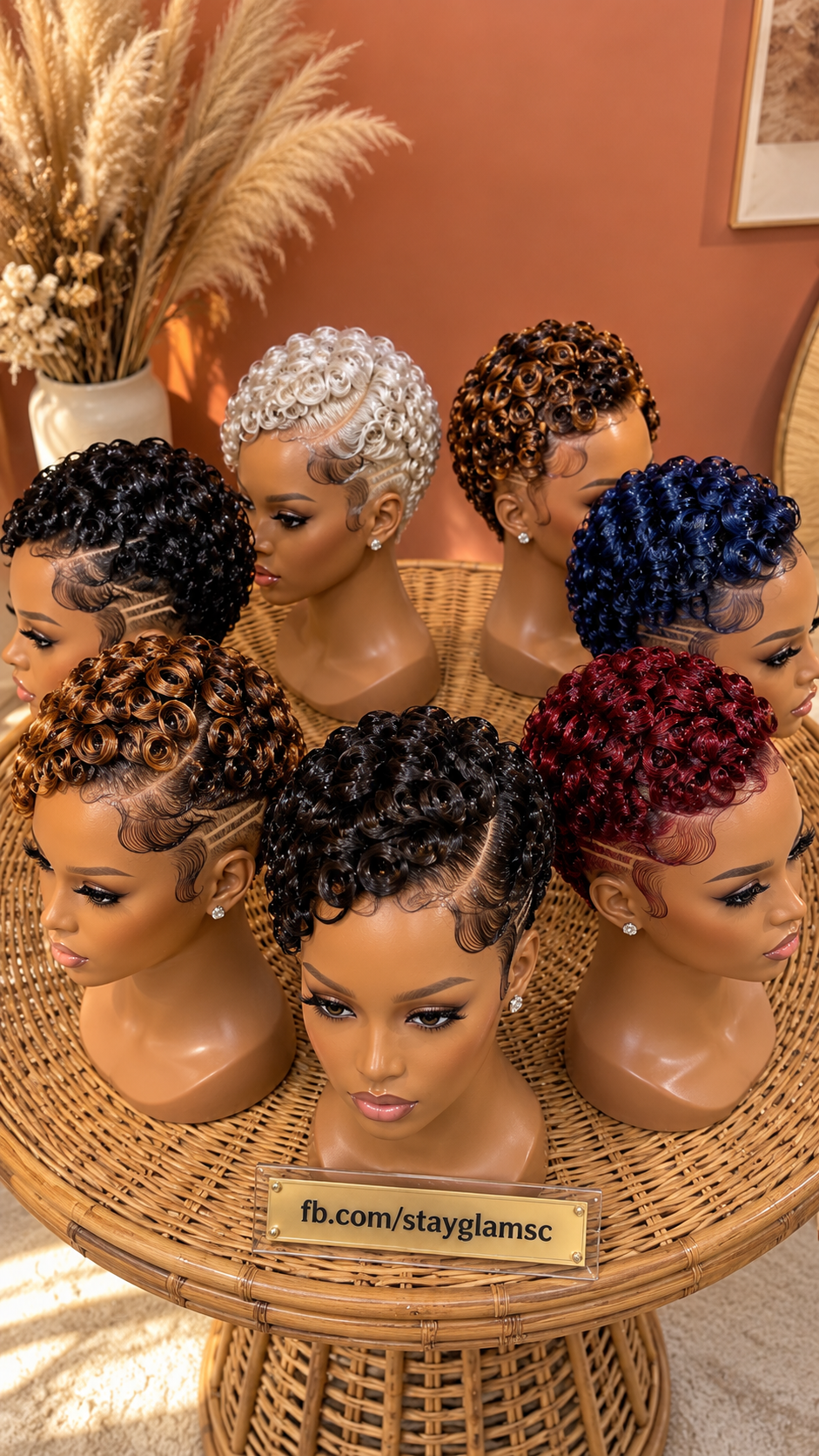
A strong wig collection does not need every unit to look identical. The display in this image uses a consistent compact coil concept while allowing color, parting direction and side detailing to create noticeable variation. Natural black, golden brown, platinum, burgundy and a striking sapphire-blue option can all be seen, giving customers several ways to interpret the same general hairstyle.
The wigs are built around dense circular curls concentrated across the crown. Below them, the hair is directed into sculpted waves and close-fitting temple sections. Narrow side lines appear on several units, adding a precision element that contrasts with the rounded coils above.
This combination is particularly useful for custom wig businesses because customers can personalize several components independently. A buyer may prefer the platinum color but want the side treatment from the burgundy version, for example. A good consultation should therefore separate color, curl construction and side pattern into individual decisions.
Sapphire Blue Creates a Completely Different Direction
The deep blue unit immediately stands apart from the natural and warm-toned options. Its color is saturated enough to be recognizable while remaining dark enough for the curl shadows to stay visible.
This matters with tightly arranged coils. Extremely bright flat color can sometimes reduce the perception of depth, whereas a darker sapphire tone preserves the spaces between curls and keeps the crown visually dimensional.
When ordering a blue version, send the exact photograph to the stylist. Terms such as navy, sapphire, royal blue and midnight blue can refer to noticeably different shades. Ask for a color sample or progress photograph when custom coloring is involved.
The Platinum Version Highlights Every Styling Decision
The platinum unit reveals the structure of the hairstyle particularly clearly. Individual loops are visible across the crown, and the lighter strands make the directional work around the forehead and temple easier to examine.
This color can be useful for customers who want the curl construction itself to become a major visual element. It also requires careful execution because spacing and inconsistencies can be more visible in pale hair.
If human hair is being used, ask how the pale color was achieved and what aftercare is recommended. If the unit uses synthetic fiber, confirm whether heat can be applied before attempting any restyling.
Burgundy Adds Rich Color While Keeping Strong Depth
The burgundy option offers another distinct direction. Deep wine tones dominate the crown, but darker shadow remains between the curls. This helps each circular formation remain recognizable.
Burgundy can appear brighter under daylight and deeper indoors, so customers purchasing online should request photographs under more than one lighting condition when possible. This gives a more realistic idea of how the shade may appear after delivery.
Golden Brown Makes the Circular Crown More Noticeable
Warm golden-brown tones reflect strongly along the curved surfaces of the coils. The result is increased separation between individual curls without moving into a very pale color.
This option can work well for customers who want warmth and visible dimension while staying within a brown family. A darker foundation beneath the curls can also strengthen contrast.
Ask whether the final unit will use one uniform color or a mixture of darker and lighter strands. A photograph should accompany the request because verbal descriptions of brown shades can be interpreted differently.
Compact Black Coils Keep the Focus on Construction
The darker units demonstrate how the hairstyle works without contrasting color. Their visual impact comes from the reflective circular curls, the controlled hairline waves and the side details.
Rather than relying on color variation, these versions emphasize the density and direction of the styling. This can be useful for buyers who want the precision work to remain the central element.
Side-Line Placement Changes the Profile of Each Unit
The side designs deserve as much attention as the crown. Narrow parallel lines appear around the temple and above the ear on several mannequins. They are positioned within closely fitted sections so the pattern remains visible beneath the upper curls.
Some patterns appear straighter, while others follow the natural curve of the side profile. These are not details that should be left unspecified on a custom order. Show the wig maker exactly which unit contains the pattern you want.
Ask whether the design will be reproduced on both sides. If you normally wear your hair facing a particular direction in photographs, tell the stylist which side will be most visible.
Why the Hairline Waves Matter as Much as the Curls
The front perimeter contains sculpted strands that form sweeping waves across the forehead and temple. These sections create a visual bridge between the full crown and the closely fitted sides.
On several units, smaller curved details continue toward the ear. This layered perimeter work gives the hairstyle a more intricate appearance than a simple curly crown placed above a tapered side section.
When requesting a custom version, provide close-up references of the front and temple areas. A crown photograph alone will not give the stylist enough information to reproduce these details accurately.
Choosing a Wig Maker for This Type of Work
Look for a stylist who regularly works with sculpted curls, compact wig silhouettes and detailed perimeter styling. Portfolio photographs should include side views and close-ups rather than only frontal images.
If the wig maker creates the crown but does not specialize in precision side work, ask whether final detailing can be completed by another stylist or barber after fitting. Coordinating these services before ordering can prevent unexpected changes to the design later.
A Better Way to Place a Custom Order
- Select the exact mannequin or color combination you want to reference.
- Send photographs showing the crown and side profile.
- Specify whether you want compact circular coils or slightly looser loops.
- Choose the color using a visual reference.
- Confirm the side-line pattern and placement.
- Ask how the front waves will be arranged.
- Provide measurements using the seller’s requested method.
- Confirm production time, shipping and final adjustment options.
For customers ordering from another city or country, requesting a completed-unit video before shipment can also help confirm color and overall construction.
Price Guide for Custom Color Coil Crown Wigs
| Wig Category | Estimated Price Range | Typical Service Level |
|---|---|---|
| Premium Custom | $440–$825+ | Premium hair, custom sizing, specialty color, detailed crown setting and precision perimeter work |
| Standard Custom | $285–$490 | Selected color, compact coil styling, side design and personalized fitting |
| Basic Human Hair | $190–$340 | Human-hair construction with simpler color and styling options |
| Premium Synthetic | $115–$220 | Higher-grade fiber with preset curls and selected color choices |
| Basic Synthetic | $70–$140 | Entry-level interpretation with limited customization |
The table provides general planning ranges rather than prices for the exact pieces pictured. Specialty colors, detailed side work, custom sizing, hair quality and stylist labor can substantially affect the final cost.
What to Verify Before Sending Payment
Confirm the wig material, cap size, adjustment system, chosen color and expected production schedule in writing. Ask whether styling is completed before shipping or whether additional salon work will be required after delivery.
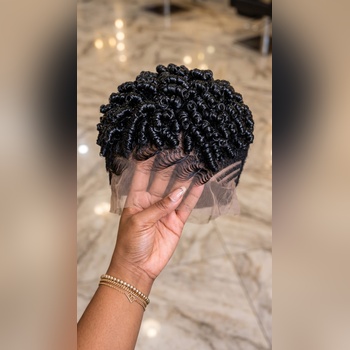
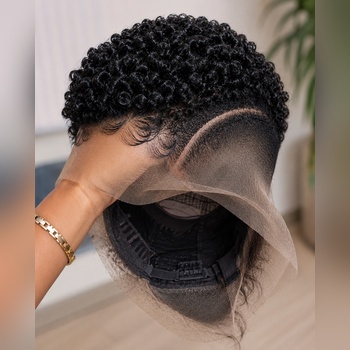
The photograph alone does not verify a specific lace category. If lace construction is important to your purchase, ask the seller exactly what material is used rather than assuming a particular grade from the appearance of the finished